Ceramic Coating Temple Terrace: How Clay Bars, Compounds, and Polishes Prep Your Paint for Perfection
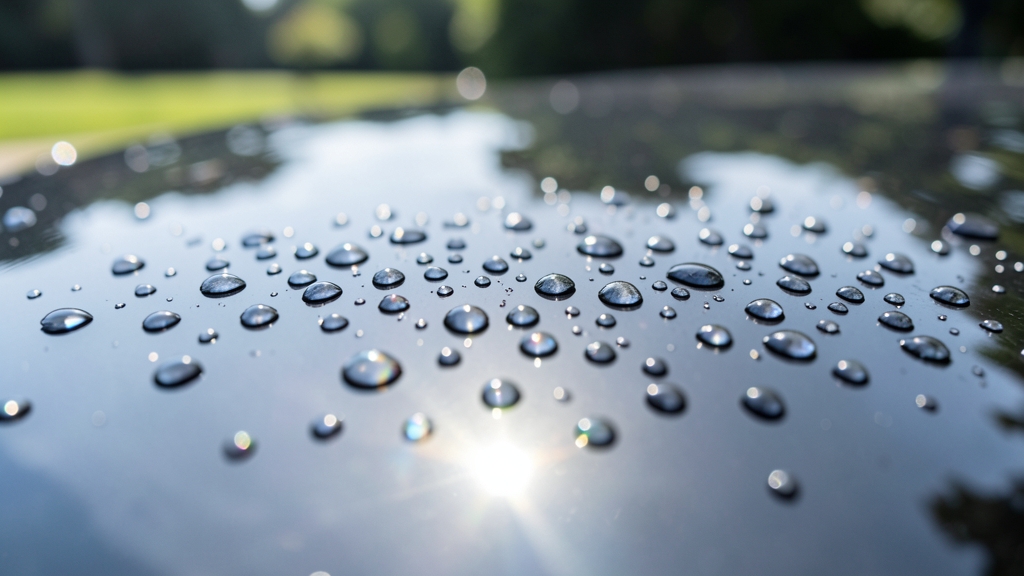
A ceramic coating is only as good as the surface beneath it. In Temple Terrace’s humid, sun-drenched climate, proper prep with clay bars, compounds, and polishes isn’t just recommended—it’s non-negotiable. We break down why each step matters and how we ensure your coating bonds flawlessly for years of protection.
Why Paint Prep Decides the Longevity of Your Ceramic Coating
Ceramic coatings bond chemically to your clear coat, not to contaminants. Skip decontamination, and you risk poor adhesion, premature failure, or even peeling—especially under Florida’s relentless UV and moisture cycles.
Our team sees it often: vehicles from Tampa or Thonotosassa arrive with embedded iron particles, industrial fallout, or tree sap. A clay bar is the only way to lift these microscopic invaders before they’re sealed in forever.
Step 1: The Clay Bar—Your First Line Against Invisible Enemies
A clay bar isn’t just for aesthetics; it’s a decontamination tool. It pulls bonded contaminants like brake dust, rail dust, and overspray that washing can’t touch. In areas like Mango or Seffner, road grime is a constant battle.
We use a high-quality clay bar with a lubricant to avoid marring. The result? A glass-smooth surface that’s ready for correction. Without this step, compounds and polishes grind contaminants deeper into the paint.
Low-grade clay can break apart, leaving residue that interferes with adhesion. We use professional-grade synthetic clay for consistent, safe decontamination.
Step 2: Compounding—Cutting Through the Damage
Compounds remove deeper imperfections: oxidation, water spots, and heavy swirls. In Temple Terrace, vehicles often arrive with sun-faded clear coats or etching from acidic rain. A dual-action polisher with the right compound restores clarity.
The key is matching the compound’s abrasiveness to the defect. Too aggressive, and you risk thinning the clear coat. Too light, and you leave defects behind. Our team measures paint thickness to tailor the approach.
| Defect | Compound Type | Tool & Technique |
|---|---|---|
| Light swirls, haze | Finishing compound (fine abrasive) | DA polisher, soft foam pad, low speed |
| Moderate scratches, water spots | Medium-cut compound | DA polisher, medium foam pad, moderate speed |
| Deep oxidation, heavy etching | Heavy-cut compound | Rotary polisher, wool or microfiber pad, controlled pressure |
| Holograms (buffer trails) | Jewelers polish or ultra-fine compound | DA polisher, fine foam pad, slow passes |
Step 3: Polishing—The Art of Restoring Gloss
Polishing refines the surface after compounding, removing micro-scratches left behind. It’s what gives paint that mirror-like depth before the ceramic coating is applied. In University Area’s stop-and-go traffic, swirls are inevitable—polishing erases them.
We use diminishing abrasive polishes to minimize clear coat removal. The goal isn’t just to look good—it’s to create a perfectly level surface for the coating to adhere to uniformly.
Always perform a test spot to confirm the compound-polish sequence won’t over-thin the paint. We use a paint thickness gauge to monitor clearance in real time.
The Critical Final Steps Before Coating Application
After polishing, the surface must be 100% clean. We perform an IPA (isopropyl alcohol) wipe-down to remove oils, waxes, or polishing residues. Any leftover film can cause delamination or fish-eyes in the coating.
A final inspection under LED lighting ensures no defects remain. In Temple Terrace’s bright sunlight, even minor imperfections become glaringly obvious once a coating is applied.
Pre-Coating Final Checks
- Complete decontamination with clay bar and lubricant
- Paint thickness measured and documented
- All defects addressed with compound and polish
- Surface wiped down with IPA (50% or higher)
- Final inspection under multiple light sources
How Temple Terrace’s Climate Affects Your Prep and Coating
Humidity and heat can sabotage a coating job if not managed. We work in climate-controlled bays to prevent moisture from settling on the paint mid-application. Florida’s afternoon storms mean timing is everything.
UV exposure here is extreme. Without proper prep, a coating may fail prematurely, leaving paint vulnerable to fading. That’s why we emphasize thorough correction and decontamination for every vehicle, whether it’s from Seffner or Tampa.
When to Consider Paint Correction Beyond Prep
Not every car needs full paint correction before a ceramic coating. If your vehicle has minor swirls but no deep defects, a one-step polish may suffice. However, for heavily damaged paint, a multi-stage correction ensures the coating looks flawless.
We often pair ceramic coatings with Paint Protection Film (PPF) for high-impact areas like hoods and bumpers. In Thonotosassa’s rural roads, rock chips are a real threat—PPF adds an extra shield.
How to Maintain Your Ceramic Coating After Application
Proper prep ensures longevity, but post-coating care keeps it performing at its peak.
- 1Wash Regularly with pH-Neutral Soap
Use a high-quality car shampoo to avoid stripping the coating’s hydrophobic properties. Avoid automatic car washes with harsh brushes.
- 2Decontaminate Every 6 Months
Even with a coating, iron particles and tar can bond to the surface. A clay bar or iron-remover spray keeps the coating clean and effective.
- 3Avoid Harsh Chemicals
Never use wax, sealants, or degreasers on a ceramic-coated surface. These can leave residues that diminish performance.
- 4Reapply a Top-Up Coating Annually
While not always necessary, a maintenance spray or light ceramic top-up can restore hydrophobicity and gloss between full re-applications.
- 5Park Smart
Temple Terrace’s sun is brutal. Park in a garage or under shade to minimize UV exposure and extend your coating’s life.
Frequently Asked Questions
Do I really need a clay bar before ceramic coating in Temple Terrace?
Absolutely. Florida’s roads and climate deposit contaminants that washing alone can’t remove. A clay bar ensures a clean slate for the coating to bond to, preventing premature failure or uneven finish.
Can I skip compounding if my paint looks okay?
Not if you want the best results. Even if defects aren’t visible under normal light, a ceramic coating will amplify them. Compounding and polishing ensure a flawless, mirror-like finish that enhances the coating’s appearance and durability.
How long does the prep process take for ceramic coating?
It varies by vehicle condition. A lightly swirled car may take 4-6 hours for decontamination and one-stage polish. Heavy correction for oxidation or deep scratches can take a full day or more. We’ll assess your paint and provide a timeline during your quote.
Will ceramic coating fix my paint’s scratches and swirls?
No—ceramic coatings don’t fill or hide imperfections. That’s why prep is critical. Compounding and polishing remove defects before the coating is applied, ensuring a smooth, reflective surface. The coating then locks in that perfection.
Is ceramic coating worth it for Temple Terrace’s weather?
Yes, especially here. The UV protection alone prevents fading and oxidation that’s common in Florida. Add in the hydrophobic properties that repel rain and contaminants, and it’s one of the best investments for long-term paint preservation.
Can you apply ceramic coating over existing wax or sealant?
No. Wax and sealants must be fully removed during prep, typically with a clay bar and IPA wipe-down. Applying a coating over these products will prevent proper adhesion and lead to early failure.