How to Touch Up Your Ceramic Coating Without a Full Reapplication in Ceramic Coating Temple Terrace
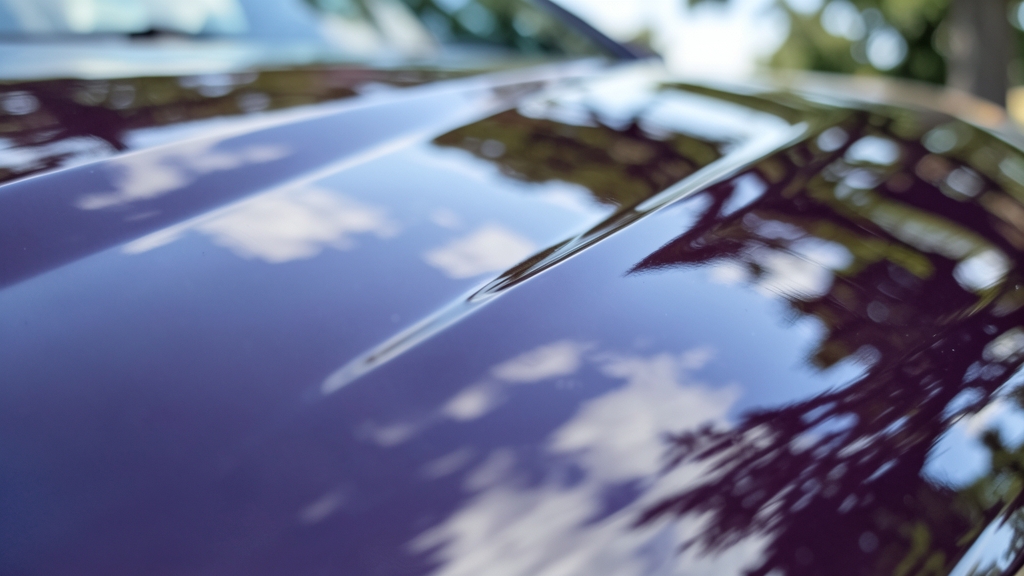
Ceramic coatings don’t last forever, but minor damage doesn’t mean you need a full reapplication. Our team in Temple Terrace sees this often—Florida’s sun, humidity, and road grime can wear down coatings. Spot-touching saves time and cost while restoring that glass-like finish and protection.
Signs Your Ceramic Coating Needs a Touch-Up, Not a Full Redo
Water no longer beads into tight, round droplets. Instead, it sheets or flattens—this means the hydrophobic layer is breaking down, especially after 18–24 months in our harsh Florida climate.
Swirl marks or light scratches appear more visible under direct sunlight. These often come from improper washing or automatic car washes with harsh brushes.
Water spots etch into the surface after rain or sprinklers. Our local hard water leaves mineral deposits that, over time, can bond to the coating if not removed promptly.
If oxidation or deep scratches expose bare clear coat, a touch-up won’t suffice. At that point, paint correction and a fresh full coating are needed to prevent permanent damage.
Tools and Products You’ll Need for a Professional Touch-Up
Start with a high-quality ceramic spray sealant or a touch-up ceramic coating kit. Brands like Gtechniq, CarPro, or Ceramic Pro offer products designed for spot repairs.
Gather a dual-action polisher with a soft foam pad for light correction, a clay bar and lubricant for decontamination, and microfiber towels for buffing.
Use an IPA (isopropyl alcohol) solution (50/50 mix with distilled water) to prep the surface. This removes oils, waxes, and residues that prevent proper bonding.
Prepping the Surface: The Most Critical Step
Wash the vehicle with a pH-neutral automotive shampoo to remove loose dirt. Avoid household soaps—they can leave behind films that interfere with adhesion.
Decontaminate with a clay bar to pull embedded iron particles and industrial fallout from the surface. This step is non-negotiable in areas like Thonotosassa or Seffner, where road debris is heavy.
Inspect under bright light. If you see deep scratches or oxidation, stop here—schedule paint correction with our team before attempting a touch-up.
Pre-Touch-Up Surface Prep
- Wash with pH-neutral shampoo
- Clay bar decontamination
- IPA wipe-down (50/50 mix)
- Inspect for deep scratches/oxidation
Touch-Up Methods: Spray Sealant vs. Spot Coating
Ceramic spray sealants are the easiest for DIY touch-ups. They restore hydrophobicity and gloss for 6–12 months, ideal for maintaining areas like wheel wells or rocker panels.
For longer-lasting results, use a liquid ceramic coating applied only to damaged sections. This requires more skill but can extend protection for 2–5 years, matching the lifespan of your original coating.
In high-wear areas like Mango or University Area, where road salt and grime are common, spot coatings outperform sprays. They bond chemically to the clear coat, resisting environmental damage better.
| Method | Durability | Difficulty | Best For |
|---|---|---|---|
| Ceramic Spray Sealant | 6–12 months | Easy | Quick refresh, maintenance |
| Spot Liquid Ceramic Coating | 2–5 years | Moderate | Localized damage, high-wear areas |
| Full Reapplication | 5–7+ years | Professional | Severe degradation, full vehicle |
Step-by-Step: Applying a Spot Ceramic Coating
After prep, apply a small amount of ceramic coating to a microfiber applicator. Work in a 2x2 foot section—any larger and the product may flash (dry) before you can level it.
Use overlapping, straight-line motions to spread the coating evenly. Avoid circular patterns, which can create uneven thickness and high spots.
Let the coating flash for 1–2 minutes (humidity in Temple Terrace can extend this). Then, buff off excess with a clean microfiber towel. Residue left behind will harden and require polishing to remove.
Florida’s heat accelerates curing. Always apply coatings in a garage or shaded area to control flash times and ensure proper bonding.
Curing and Post-Application Care
Avoid water contact for 24–48 hours. Even light rain can disrupt the curing process, especially with humidity levels common in our area.
Do not wash or expose the vehicle to sunlight for at least 7 days. This allows the coating to fully cross-link with the paint, achieving maximum hardness and durability.
After curing, maintain with a pH-neutral wash and a ceramic-boosting detail spray every 3–4 months. This extends the life of your touch-up and the original coating.
When to Call a Professional for Ceramic Coating in Temple Terrace
If the damage covers more than 30% of the vehicle or includes deep scratches, paint correction and a full coating are more cost-effective long-term. Our team uses industrial-grade polishers and coatings for flawless results.
For fleet or commercial vehicles in areas like Tampa or University Area, professional application ensures consistency and longevity. DIY touch-ups on large surfaces often miss spots or create uneven layers.
If you’re unsure about the extent of the damage, request an inspection. We’ll assess whether a touch-up, partial reapplication, or full service is best for your vehicle.
Pro Tips to Extend Your Ceramic Coating’s Life in Florida
Wash your vehicle every 2 weeks with a foam cannon and pH-neutral shampoo. This prevents dirt buildup that can degrade the coating over time, especially after summer storms.
Apply a ceramic-boosting spray after washes. These products replenish the hydrophobic layer, keeping water beading sharp between touch-ups.
Park in a garage or under a carport when possible. UV exposure breaks down ceramic coatings' SiO2 bonds faster in Florida than in cooler climates.
Brushes and harsh chemicals strip ceramic coatings prematurely. Stick to touchless washes or hand-washing to preserve your investment.
How to Apply a Ceramic Spray Sealant for a Quick Touch-Up
A ceramic spray sealant is the fastest way to restore hydrophobicity and gloss between full coatings.
- 1Clean the Surface
Wash and dry the area thoroughly. Use an IPA solution to remove any remaining contaminants or old wax.
- 2Shake the Sealant
Agitate the ceramic spray sealant well before use. This ensures the SiO2 particles are evenly distributed for maximum effectiveness.
- 3Apply in Thin Layers
Spray a light, even mist onto the panel. Avoid over-applying—excess product can create streaks or hazing.
- 4Buff to a Shine
Use a clean microfiber towel to buff the sealant into the surface in straight lines. Flip the towel frequently to avoid reapplying removed product.
- 5Let It Cure
Allow the sealant to cure for at least 12 hours before exposing the vehicle to water or sunlight.
Frequently Asked Questions
How often should I touch up my ceramic coating in Temple Terrace?
In Florida’s climate, we recommend a light touch-up with a ceramic spray sealant every 6–12 months. For liquid spot coatings, every 2–3 years is typical, depending on exposure to sun and road conditions.
Can I touch up just the hood or roof of my car?
Yes, spot applications work well for high-exposure areas like the hood, roof, or front bumper. These sections endure the most UV and road debris, so targeted touch-ups are common and effective.
Will a touch-up fix water spots on my ceramic coating?
If the water spots are superficial, a touch-up can restore hydrophobicity and hide minor etching. For deep, permanent spots, paint correction may be needed before reapplying the coating.
Is it safe to apply a ceramic coating over an existing one?
Yes, but only if the existing coating is still in good condition. If it’s heavily degraded, the new layer won’t bond properly. Always prep the surface thoroughly with IPA and, if needed, light polishing.
What’s the difference between a ceramic spray and a liquid ceramic coating for touch-ups?
Ceramic sprays are easier to apply and last 6–12 months, ideal for maintenance. Liquid ceramic coatings require more skill but bond chemically to the paint, lasting 2–5 years and offering superior protection.
Do you offer mobile ceramic coating touch-up services in Temple Terrace?
Our team provides both in-shop and mobile services for touch-ups and full applications. Mobile services are great for convenience, while in-shop ensures controlled conditions for optimal results. Request a quote to discuss your options.