Avoid Costly Mistakes: Paint Correction Essentials Before Ceramic Coating in Temple Terrace, FL
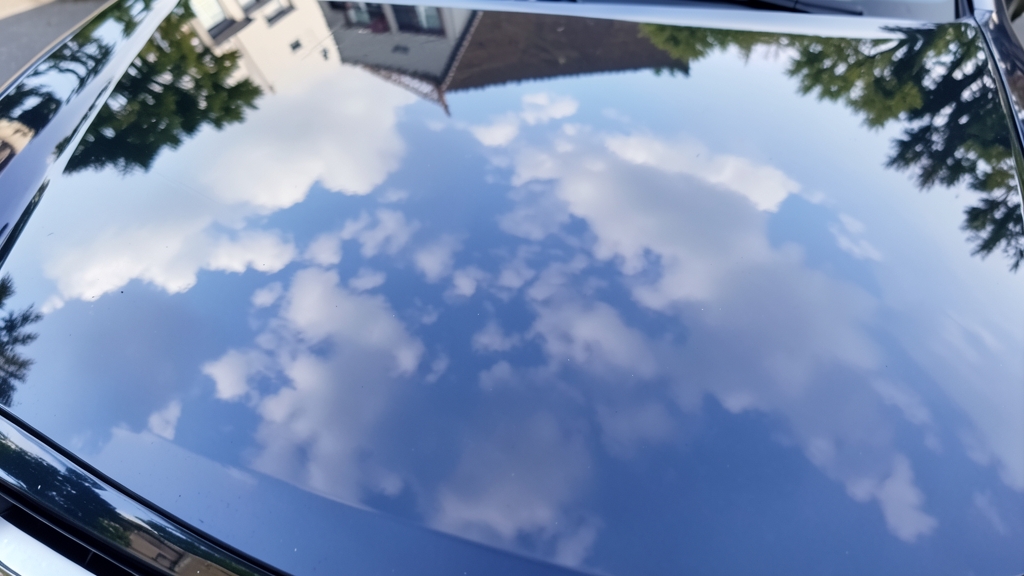
Ceramic coatings bond permanently to your paint—flaws beneath the surface become permanent too. In Temple Terrace’s harsh sun and humidity, skipping proper paint correction often leads to a lackluster finish and wasted investment. We’ll show you how to prep like a pro.
Why Paint Correction Is Non-Negotiable Before Ceramic Coating
Ceramic coatings amplify every imperfection. Swirls, scratches, and holograms won’t disappear under the coating—they’ll be sealed in forever. Proper correction ensures a mirror-like base for maximum gloss and longevity.
Temple Terrace’s intense UV and frequent rain accelerate paint damage. Without correction, oxidation and water spots compromise adhesion, reducing the coating’s lifespan and hydrophobic performance.
Applying ceramic coating over uncorrected paint may void coverage and risks peeling. Always verify surface perfection before application.
Common Paint Defects That Ruin Ceramic Coating Results
Swirl marks from improper washing create a spiderweb effect under direct light. These fine scratches scatter light, dulling the finish even after coating.
Holograms—caused by aggressive polishing—appear as wavy, rainbow-like patterns. They’re especially noticeable on darker vehicles under Florida’s bright sunlight.
Oxidation and fading are rampant in our climate. The clear coat breaks down, leaving a chalky, dull surface that coatings can’t revive without correction.
Water spots and etchings from mineral deposits eat into the paint. Left untreated, they’ll show through the coating and may even cause adhesion failure.
The Paint Correction Process: Step-by-Step for Temple Terrace Vehicles
Start with a thorough decontamination wash using pH-neutral soap and a clay bar. This removes embedded contaminants that polishing can’t touch.
Inspect the paint under multiple light sources. Halogen, LED, and sunlight reveal different defects—critical for targeting correction efforts.
Measure paint thickness with a gauge. Temple Terrace’s older vehicles or repainted panels may have thin clear coat, limiting aggressive polishing.
Pre-Correction Must-Dos
- Wash with iron-removing pre-soak
- Clay bar entire vehicle
- Check for previous paintwork or fillers
- Test polish on a hidden area first
Polishing Techniques: DA vs. Rotary for Local Conditions
Dual-action (DA) polishers are safer for beginners and ideal for most Temple Terrace vehicles. They minimize holograms and work well on softer domestic paints common in Florida.
Rotary polishers cut faster but require skill. Use them for severe defects or harder clear coats, like those on German or Japanese imports popular in the Tampa Bay area.
Hybrid approaches often work best. Start with a DA for broad correction, then switch to a rotary for stubborn defects in high-wear areas like hoods and bumpers.
| Tool | Cutting Power | Risk of Holograms | Best For |
|---|---|---|---|
| Dual-Action (DA) | Moderate | Low | Beginners, softer paints, general correction |
| Rotary | High | High | Experienced users, hard clear coats, deep defects |
| Hybrid (DA + Rotary) | Variable | Moderate | Complex jobs, mixed paint types |
Choosing the Right Compounds and Pads for Florida’s Climate
Heavy-cut compounds (e.g., 3000-grit equivalents) tackle deep scratches but require careful use. Overworking them in our humidity can dry out too quickly, causing haze.
Medium-cut polishes (1500-2000 grit) are the workhorse for most Temple Terrace vehicles. They balance defect removal with finish quality.
Finishing polishes (500-1000 grit) refine the surface to a jewel-like shine. Use them with soft foam pads to eliminate micro-scratches before coating.
Microfiber and wool pads behave differently in high humidity. Foam pads offer more control, while wool cuts faster but can leave marring if misused.
Work in a climate-controlled space or early morning to prevent compounds from flashing (drying) too fast. This is critical in Temple Terrace’s summer heat.
Post-Correction Prep: The Make-or-Break Step
After polishing, perform a final decontamination with a clay bar and IPA (isopropyl alcohol) wipe-down. This removes polishing oils and residues that prevent adhesion.
Inspect the paint under a 3000K LED light. Any missed defects will be glaringly obvious once the ceramic coating is applied.
Avoid touching the surface with bare hands. Oils from skin can contaminate the paint, leading to coating failure in spots.
How Paint Correction Differs for Ceramic Coating vs. PPF
Ceramic coatings require a near-perfect surface. Even minor defects will be visible through the coating’s high gloss.
Paint Protection Film (PPF) is more forgiving. It can hide minor imperfections, but severe defects may still show through or cause adhesion issues.
For vehicles getting both PPF and ceramic coating (a common combo in Temple Terrace), correct the entire vehicle first. Apply PPF to high-impact areas, then coat the rest.
In areas like University Area or Seffner, where vehicles see heavy road debris, PPF on the front end paired with full ceramic coating offers maximum protection.
Signs Your Vehicle Needs Paint Correction Before Coating
Visible swirls or scratches when viewed under sunlight or shop lights. These are the most common issues we see in Tampa Bay vehicles.
A dull or hazy appearance, even after washing. This often indicates oxidation or water spot etching, prevalent in our mineral-rich water.
Rough texture when running a clean microfiber towel over the paint. This suggests embedded contaminants or severe marring.
Color fading or uneven shine. Common on older vehicles or those parked outside in Temple Terrace’s intense UV without protection.
How to Inspect Your Paint Before Ceramic Coating
A thorough inspection ensures you catch every defect before it’s too late.
- 1Wash and Dry
Use a pH-neutral car shampoo and microfiber towels to remove surface dirt. Avoid automatic car washes—they often add swirls.
- 2Clay Bar Treatment
Run a clay bar over the paint with lubricant to pick up embedded contaminants. Re-wash afterward to remove clay residue.
- 3Lighting Check
Inspect under halogen, LED, and natural light. Rotate around the vehicle to catch defects from all angles.
- 4Paint Thickness Test
Use a paint thickness gauge to check for thin spots or previous repairs. Avoid aggressive polishing in these areas.
- 5Test Polish
Polish a small, hidden area to verify the correction process. Check for holograms or insufficient defect removal.
- 6Final IPA Wipe
Wipe down the entire vehicle with a 50/50 IPA-water mix to remove any remaining oils or residues.
Frequently Asked Questions
Can I apply ceramic coating over minor swirls in Temple Terrace?
No. Ceramic coating magnifies swirls, making them more noticeable. Even minor defects require correction for a flawless finish. Skipping this step often leads to disappointment and costly rework.
How long does paint correction take before ceramic coating?
It varies by vehicle size and condition. A light correction may take 4-6 hours, while heavy defect removal can span 1-2 days. For full-service jobs in Ceramic Coating Temple Terrace, we often combine correction and coating over 2-3 days.
Is paint correction necessary for new cars in Temple Terrace?
Yes. New cars often have dealer-installed swirls, buffer trails, or rail dust. Even factory paint benefits from a light polish to enhance gloss before ceramic coating application.
What’s the difference between paint correction and detailing?
Detailing focuses on cleaning and enhancing appearance temporarily. Paint correction is a permanent fix for defects, removing imperfections to restore the paint’s true condition before applying protective coatings.
Can I do paint correction myself before ceramic coating?
While DIY is possible, it’s risky without experience. Improper technique can cause permanent damage, especially on modern thin clear coats. For Ceramic Coating Temple Terrace results, professional correction is strongly recommended.
Does paint correction affect my vehicle’s resale value?
Absolutely. A properly corrected and ceramic-coated vehicle retains higher resale value, especially in markets like Tampa or Thonotosassa where buyers appreciate well-maintained paint. It signals meticulous care.