What to Do If Your Ceramic Coating Fails Prematurely in Temple Terrace in Ceramic Coating Temple Terrace, FL
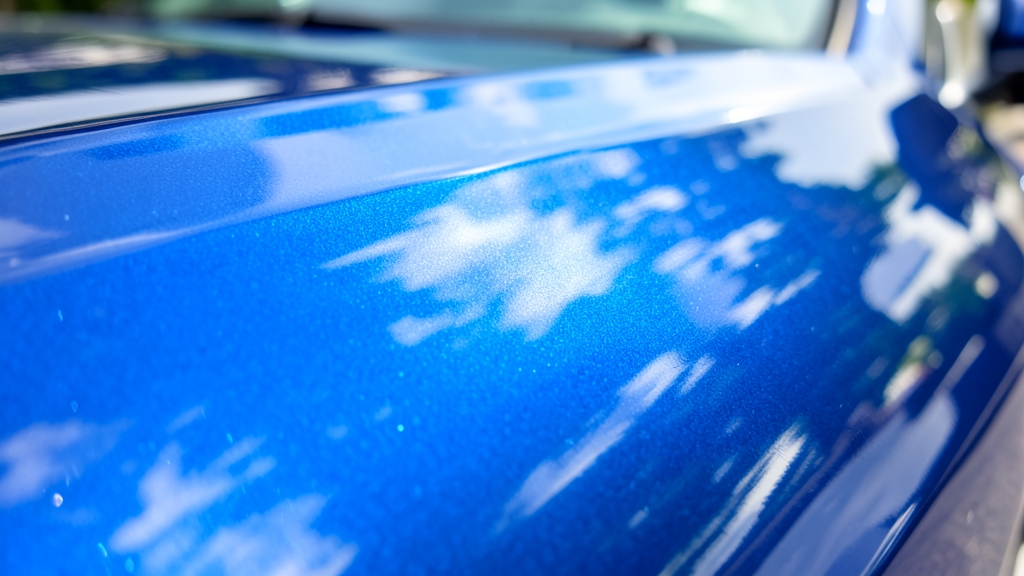
Ceramic coatings are designed to last, but even in Temple Terrace’s harsh sun and humidity, premature failure can happen. If your coating isn’t beading water like it used to or shows hazing and water spots, it’s time to act. We’ll walk you through diagnosing the issue and restoring protection—fast.
Signs Your Ceramic Coating Is Failing Early
Water no longer sheets off in tight beads. Instead, it pools or leaves streaks, especially after rain or a wash. This loss of hydrophobicity is the first red flag.
Swirl marks, hazing, or a dull finish appear sooner than expected. In Florida’s intense UV, a failing coating won’t shield paint from oxidation or micro-scratches.
Water spots etch into the surface and resist removal. A healthy ceramic coating repels minerals; a compromised one lets them bond to the clear coat.
Why Ceramic Coatings Fail Prematurely in Our Climate
Improper surface prep is the top culprit. If paint correction wasn’t done before application, contaminants or uneven surfaces prevent proper bonding.
Cross-contamination during application—oils, silicones, or even residue from a previous wax—can sabotage adhesion. We see this often in DIY jobs.
Extreme heat and humidity in Temple Terrace, Tampa, and nearby areas like Thonotosassa accelerate curing defects. If the coating wasn’t allowed to cure in controlled conditions, it may never reach full hardness.
Low-quality or mismatched products break down faster. Not all 9H-rated coatings perform the same under Florida’s UV assault.
Never apply a ceramic coating over existing sealants or waxes. This will lead to early failure and peeling.
How to Confirm It’s the Coating—and Not the Paint
Perform a water test: Spritz a small area. If water beads tightly, the coating is likely intact. If it flattens out, the hydrophobic layer is gone.
Check for uniform gloss. If some panels look shinier than others, the coating may have worn unevenly due to poor application or prep.
Use a contact angle test pen. These tools measure the angle of water droplets; anything below 90° suggests the coating’s protective qualities are fading.
Quick Fixes vs. Full Reapplication
For minor hydrophobic loss, a ceramic spray sealant can temporarily restore beading. This buys time but won’t fix underlying adhesion issues.
If the coating is peeling or flaking, removal is the only option. Attempting to layer over a failing coating traps contaminants and worsens the problem.
In cases of severe water spotting or etching, paint correction may be needed before reappling any protective layer. This is common in areas like Seffner or Mango, where mineral-heavy water is an issue.
| Issue | Quick Fix | Long-Term Solution |
|---|---|---|
| Loss of hydrophobicity | Ceramic spray sealant | Full reapplication after prep |
| Water spotting/etching | Clay bar + detail spray | Paint correction + new coating |
| Peeling/flaking | None (must remove) | Full removal + reapplication |
| Dullness/swirls | Polish + spray coating | Full paint correction + ceramic coating |
The Removal Process: What to Expect
We use specialized ceramic coating removers—not harsh compounds—to break down the layer without damaging the clear coat. This is critical for safety.
A dual-action polisher with fine pads lifts the coating gently. Aggressive methods risk marring the paint, especially on softer finishes common in newer vehicles.
After removal, a thorough wash and decontamination prep the surface for a fresh start. Skipping this step repeats the cycle of failure.
If you’re tackling removal yourself, always test a small area first. Some coatings, especially professional-grade ones, require stronger solvents.
Reapplying the Coating the Right Way
Start with a full paint correction if needed. This ensures a flawless base for the new coating to bond to. We serve clients across Temple Terrace, University Area, and beyond with this critical step.
Use a high-quality, professional-grade ceramic coating. Cheaper consumer products often lack the durability for Florida’s climate.
Apply in a controlled environment. Temperature and humidity must be within the manufacturer’s specs—typically 50-80°F and under 60% humidity.
Allow proper curing time. Rushing this step leads to weak spots and uneven protection. Most coatings need 24-48 hours before exposure to water.
Preventing Future Failures in Temple Terrace’s Conditions
Wash your vehicle regularly with a pH-neutral shampoo. Harsh soaps strip ceramic coatings over time, especially in our hard water areas.
Avoid automatic car washes with abrasive brushes. These can introduce swirls that compromise the coating’s integrity.
Reapply a ceramic spray sealant every 3-6 months. This boosts hydrophobicity and extends the life of your base coating.
Park in shaded or covered areas when possible. Prolonged UV exposure accelerates degradation, even on high-quality coatings.
Maintenance Must-Dos
- Wash with pH-neutral shampoo weekly
- Use microfiber towels for drying
- Avoid wax or silicone-based products
- Reapply spray sealant every 3-6 months
- Inspect for water spotting monthly
When to Consider Alternatives Like PPF
If your vehicle sees heavy use—think daily commutes through Tampa’s construction zones or frequent trips to Thonotosassa’s dusty roads—Paint Protection Film (PPF) may be a better fit.
PPF offers superior resistance to rock chips and scratches, while ceramic coatings excel at UV and chemical protection. Some owners combine both for ultimate defense.
For fleet or commercial vehicles in areas like University Area, PPF on high-impact zones (hood, bumper) paired with a ceramic coating on the rest of the vehicle can balance cost and protection.
How to Test Your Ceramic Coating’s Integrity at Home
A simple water test can reveal if your coating is still performing.
- 1Gather supplies
You’ll need a spray bottle with distilled water and a clean microfiber towel.
- 2Clean the surface
Wash and dry a small section of your vehicle to remove any dirt or contaminants.
- 3Perform the water test
Spray a fine mist of water onto the panel. Observe how the water behaves.
- 4Check the beads
If water forms tight, round beads, your coating is intact. If it sheets or flattens, it’s failing.
- 5Test multiple areas
Repeat on different panels. Uneven beading suggests inconsistent application or wear.
Frequently Asked Questions
How long should a professional ceramic coating last in Temple Terrace?
A high-quality ceramic coating, properly applied, should last 2-5 years in our climate. Lifespan depends on maintenance, parking habits, and exposure to elements. Request a quote to discuss options tailored to your vehicle.
Can I apply a new ceramic coating over the old one?
No. Layering over a failing coating traps contaminants and prevents proper bonding. Full removal is necessary for a durable, long-lasting finish. This is especially true for vehicles in high-UV areas like Temple Terrace and Tampa.
What’s the most common cause of premature ceramic coating failure in Florida?
Improper surface prep is the leading cause. Skipping paint correction or not fully decontaminating the surface before application leads to poor adhesion. Our team sees this often in DIY applications across Mango and Seffner.
Will a ceramic coating fix existing paint defects like swirls or scratches?
No. Ceramic coatings enhance and protect the existing finish but won’t hide imperfections. Paint correction and polishing are required first to restore clarity. We offer both services to ensure a flawless base.
Is Paint Protection Film (PPF) better than ceramic coating for my needs in Temple Terrace?
It depends on your priorities. PPF offers superior protection against physical damage like rock chips, while ceramic coatings provide better UV and chemical resistance. Many owners in areas like Thonotosassa and University Area opt for a combination of both.
How do I know if my ceramic coating was applied incorrectly?
Signs include uneven water beading, premature hazing, or peeling. If the coating fails within the first 6-12 months, poor application or prep is likely the cause. Our team can inspect and diagnose the issue for you.