Why Deionized Water is the Gold Standard for Ceramic Coating Maintenance in Temple Terrace in Ceramic Coating Temple Terrace, FL
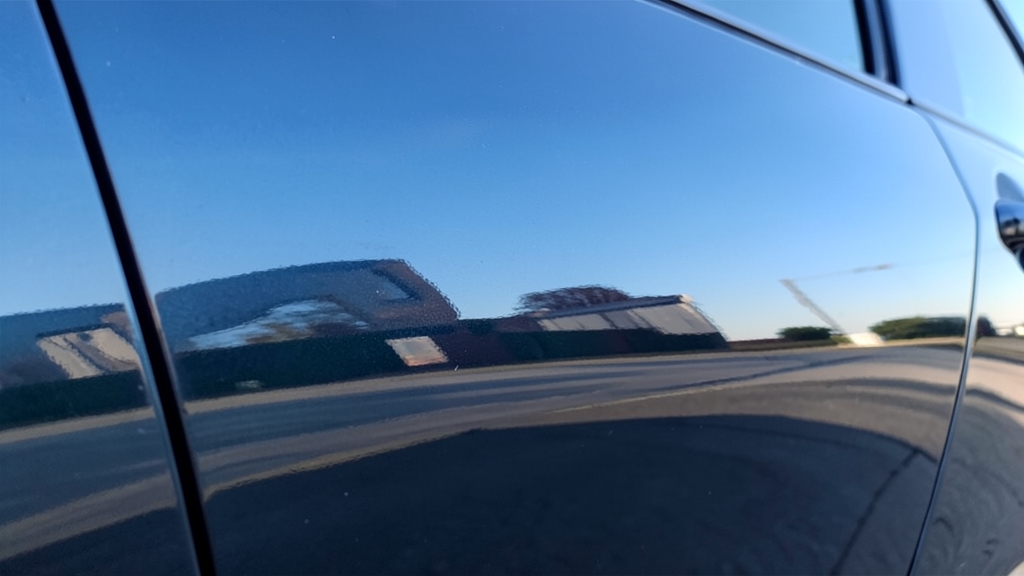
Ceramic coatings thrive on purity—especially in Temple Terrace, where hard water and mineral deposits can sabotage your finish. Deionized water eliminates these contaminants, ensuring your coating’s hydrophobic layer stays pristine. We’ll explain the science and the local advantages.
The Problem With Tap Water in Temple Terrace
Temple Terrace tap water is rich in calcium, magnesium, and other minerals. When it dries on a ceramic-coated surface, it leaves behind stubborn water spots that etch into the coating over time.
These minerals also interfere with the coating’s self-cleaning properties, reducing its ability to repel dirt and grime. Hard water accelerates wear, especially under our intense Florida sun.
How Deionized Water Works at a Molecular Level
Deionized (DI) water is stripped of all ions—no calcium, magnesium, or dissolved solids. This purity prevents mineral buildup during washes, preserving the coating’s gloss and hydrophobicity.
It also ensures that soaps and detail sprays lather more effectively, as there are no competing ions to disrupt their performance. This is critical for maintaining the slick, beading effect of a high-quality ceramic coating.
If you’re washing at home, use a DI water filter on your hose. Even a portable unit can drastically reduce TDS (Total Dissolved Solids) and protect your coating.
Deionized Water vs. Distilled vs. Reverse Osmosis: What’s the Difference?
Not all pure water is created equal. Distilled water is boiled and condensed, removing most impurities but not all ions. Reverse osmosis (RO) filters out many contaminants but may leave trace minerals.
Deionized water, however, undergoes ion exchange to remove virtually all charged particles, making it the gold standard for ceramic coating care. For Temple Terrace’s hard water, DI is the only choice that ensures zero mineral residue.
| Water Type | Mineral Removal | TDS (Total Dissolved Solids) | Best For |
|---|---|---|---|
| Tap Water | None | 150-500+ ppm | Never for coating maintenance |
| Distilled Water | Most minerals | 0-10 ppm | Acceptable for final rinse |
| Reverse Osmosis (RO) Water | Most contaminants | 10-50 ppm | Good for pre-wash |
| Deionized (DI) Water | All ions | 0-1 ppm | Ideal for all coating maintenance steps |
Why Temple Terrace’s Climate Demands Deionized Water
Our humid subtropical climate means frequent rain and high evaporation rates. Mineral-laden water dries quickly on hot surfaces, leaving behind deposits that are harder to remove the longer they sit.
DI water prevents this cycle, ensuring your ceramic coating—whether on a daily driver in University Area or a show car in Thonotosassa—stays spot-free and hydrophobic year-round.
The Role of Deionized Water in Paint Correction and PPF Prep
Before applying a ceramic coating or paint protection film (PPF), the surface must be immaculate. DI water is essential for the final rinse in paint correction, ensuring no minerals interfere with adhesion.
Even a single mineral deposit can cause bonding failures or premature peeling. For fleet vehicles in Mango or commercial vans in Seffner, this step is non-negotiable for longevity.
Residual minerals can sabotage adhesion and cause coating or PPF failure.
Maintenance Washes: A Step-by-Step Guide to Using DI Water
A proper maintenance wash starts with a pre-rinse using DI water to remove loose dirt. This prevents scratching during the contact wash phase, which is critical for preserving the coating’s integrity.
Follow up with a pH-neutral soap mixed with DI water, and always use the two-bucket method to avoid cross-contamination. Finish with a DI water rinse and a microfiber towel dry.
Beyond the Paint: DI Water for Wheels, Glass, and Interiors
Ceramic coatings aren’t just for paint. Wheel and brake caliper coatings, ceramic window tint, and interior ceramic protection all benefit from DI water maintenance. Wheels, in particular, are prone to brake dust and road grime buildup.
Using DI water ensures these areas stay free of water spots and mineral deposits, which can degrade coatings over time. For headlight restoration and coating, DI water is equally vital to maintain clarity and UV protection.
When to Call the Pros for Ceramic Coating Care
While DI water is a game-changer for at-home maintenance, some tasks require professional tools and expertise. Full-vehicle ceramic coating applications, paint correction, and PPF installation should always be left to the pros.
For Temple Terrace, Tampa, and surrounding areas like Thonotosassa or University Area, our team uses industrial-grade DI water systems and precision techniques to ensure flawless results. Request a quote to see how we can protect your investment.
How to Perform a Deionized Water Maintenance Wash
Follow these steps to keep your ceramic coating in peak condition with DI water.
- 1Pre-Rinse with DI Water
Use a pressure washer or hose with a DI filter to remove loose dirt and debris. This prevents scratching during the contact wash.
- 2Wash with pH-Neutral Soap
Fill a bucket with DI water and add a pH-neutral car soap. Use a high-quality wash mitt and the two-bucket method to avoid swirl marks.
- 3Rinse Thoroughly
Rinse the vehicle with DI water, ensuring all soap residue is removed. This step is critical to prevent water spots.
- 4Dry with Microfiber Towels
Use a clean, plush microfiber towel to dry the vehicle. Avoid air drying, as it can leave water spots even with DI water.
- 5Apply Ceramic Boost Spray (Optional)
For added protection, apply a ceramic boost spray mixed with DI water. This refreshes the hydrophobic layer and extends the coating’s life.
Frequently Asked Questions
Can I use distilled water instead of deionized water for my ceramic coating in Temple Terrace?
Deionized water is the most effective option for eliminating mineral residue, particularly in hard water areas like Temple Terrace.
How often should I wash my car with deionized water to maintain the ceramic coating?
We recommend a maintenance wash every 2-4 weeks, depending on exposure to dirt and contaminants. In Temple Terrace’s climate, more frequent washes may be needed to combat pollen and road grime.
Does deionized water help with water spots on my ceramic-coated car?
Yes. Water spots are caused by mineral deposits left behind as water evaporates. Deionized water contains no minerals, so it prevents new spots from forming and helps dissolve existing ones over time.
Is deionized water necessary for ceramic window tint or PPF maintenance?
Absolutely. Both ceramic window tint and paint protection film require the same level of care as ceramic coatings. DI water ensures no minerals interfere with their performance or appearance.
Where can I get deionized water for ceramic coating maintenance in Temple Terrace?
DI water is available at auto detail supply stores, some hardware stores, and online retailers. For convenience, consider installing a DI water filter on your hose or using a portable unit.
Can hard water ruin my ceramic coating over time?
Repeated exposure to hard water can etch into the coating, reducing its hydrophobic properties and longevity. Using DI water for maintenance washes helps prevent this damage.